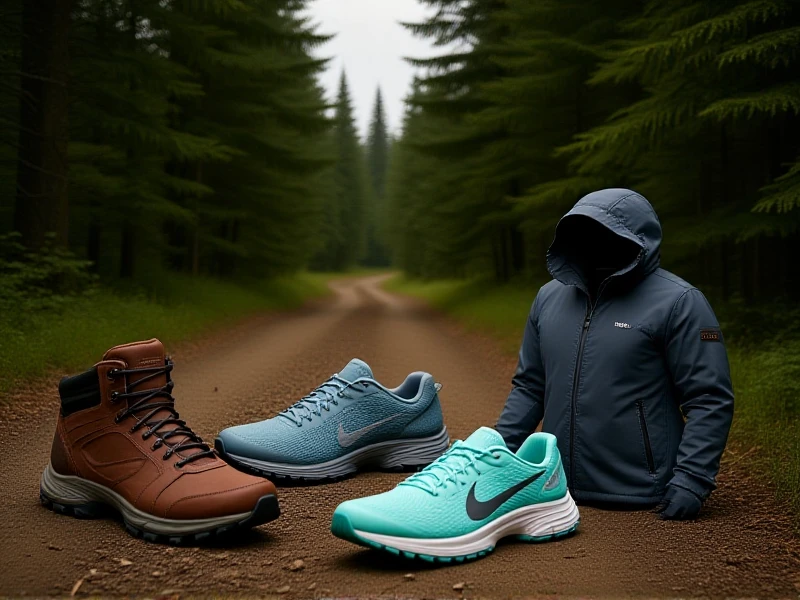
The Ultimate Guide to Choosing Your Perfect Hiking Shoes
Hitting the trails offers unmatched connection with nature, but discomfort or injury can quickly ruin the adventure. Your hiking shoes are your foundation, impacting every step. Selecting the right pair is not just about style; it's about safety, endurance, and pure enjoyment. This guide breaks down the essentials.
First, consider the terrain. Smooth park paths demand different support than rocky mountain ascents. For well-maintained trails, hiking shoes with flexible soles and lighter weight provide agility. Rugged, uneven ground requires sturdy hiking boots with aggressive lugs on durable outsoles, stiff midsoles for stability on rocks, and often higher ankle collars for protection. Prioritize ankle support if you carry a heavy pack or hike on technical routes.
Fit is non-negotiable. Visit a reputable outdoor store for professional fitting later in the day when feet swell. Wear the socks you intend to hike in. Ensure a snug heel with no slippage. Your toes should have ample room (about a thumbnail's width) to splay without hitting the front during descents. Width is crucial too – brands offer varying widths.
Materials dictate performance. Leather hiking shoes offer superior durability and water resistance, ideal for wet climates but require breaking in. Synthetics like nylon and mesh provide immediate comfort, excellent breathability, and are lighter but may wear faster. Hiking shoes featuring waterproof membranes (like Gore-Tex) are lifesavers in mud and rain, though slightly less breathable. For hot, dry conditions, focus on breathability without a membrane.
Look for supportive features like internal heel counters and molded footbeds or EVA midsoles that cushion impact and prevent fatigue. Outsoles with deep, multi-directional lugs grant critical traction on varied surfaces. Vibram® rubber is renowned for durability and grip.
Finally, maintenance extends your shoes' life. Remove debris after hikes, clean gently with water and a soft brush, and air dry thoroughly away from direct heat. Reapply waterproofing treatments periodically as manufacturer guidelines suggest. Rotate your hiking shoes to allow them to fully dry and decompress between outings.
Investing time in choosing your perfect hiking shoes pays dividends in confidence and performance on the trail. Let your feet conquer the path, not the path conquer your feet. Find your fit and explore further.