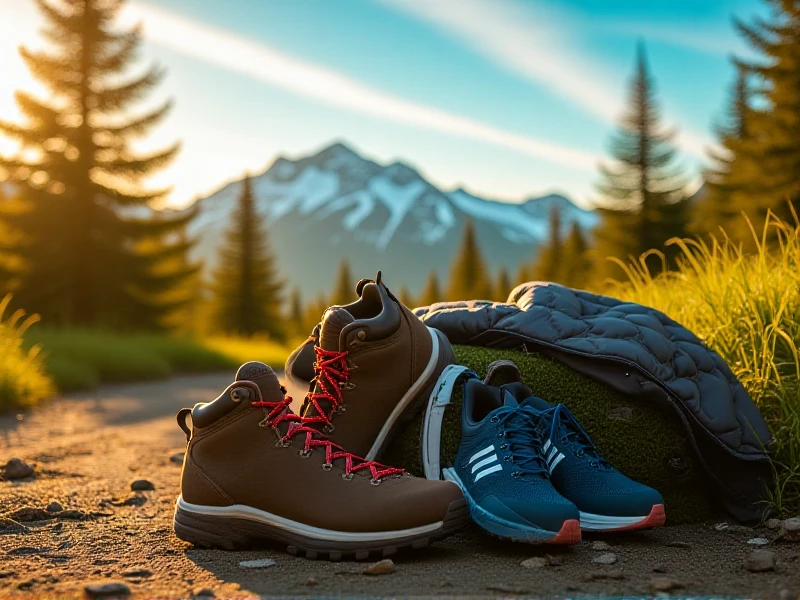
The Ultimate Guide to Choosing Your Perfect Pair of Hiking Shoes
Finding the right pair of hiking shoes isn't just about comfort; it's about performance, protection, and enjoying the trail to its fullest. With countless options available, understanding the key features is essential. Let's break down what you need for your next adventure.
Traction is Paramount: The sole is your connection to the terrain. Look for aggressive, multi-directional lugs specifically designed for hiking. Vibram® rubber outsoles are a frequent benchmark for excellent grip on rocks, roots, mud, and loose surfaces. Deeper, widely spaced lugs shed debris better than shallow, tightly packed ones.
Ankle Support & Height: Your preference and the terrain dictate the ideal height:
- Low-Cut (Hiking Shoes): Lightweight and flexible, offering freedom of movement on well-maintained trails or day hikes with light packs. Ideal for those who prefer a running-shoe feel.
- Mid-Cut (Hiking Boots): Offer crucial ankle support, stability on uneven ground, and better protection from scrapes or rolling ankles. Perfect for moderate trails, heavier loads, or rocky paths.
- High-Cut (Backpacking Boots): Maximum ankle support and protection for carrying heavy packs, tackling rugged mountains, or extended treks.
Support & Stability: A good hiking shoe provides torsional stability, preventing your foot from rolling excessively. This is often achieved through technology like shanks (semi-rigid inserts between midsole and outsole) and firm heel counters. Match the support level to your pack weight and trail difficulty.
Protection: Rock Plates & Toe Caps: A rigid or flexible rock plate embedded in the midsole shields your feet from sharp rocks and roots underfoot. A sturdy toe cap, usually rubber, protects your toes from stubbing impacts – invaluable on rocky ascents or descents.
Waterproofing & Breathability: This is a crucial trade-off:
- Waterproof Membranes (e.g., GORE-TEX®): Keep feet dry in wet grass, streams, and rain but can lead to sweaty feet in hot conditions and dry slower if submerged.
- Breathable, Non-Waterproof: Maximizes airflow, keeping feet cooler on dry, warm hikes but offers zero protection from wetness. Ideal for arid climates or fast-packing.
Fit: Your Secret Weapon: Proper fit is non-negotiable. Always try shoes on in the afternoon (feet swell), wear your intended hiking socks, and ensure:
- Toe Room: Thumb's width (about 1.3 cm) of space in front of your longest toe.
- Heel Lockdown: Minimal slippage; your heel shouldn't lift significantly.
- Arch Support: Should match your foot shape naturally without uncomfortable pressure points.
- Overall Comfort: Walk extensively on an incline/decline model if available. Prioritizing fit over looks or brand is key.
Breaking Them In: Never wear brand new hiking shoes on a significant hike. Spend weeks walking shorter distances and local trails to mold the materials to your feet, preventing painful blisters.
Investing time in choosing the right hiking shoes pays dividends on the trail. Assess the terrain, duration, load, and weather you typically encounter. Prioritize fit, traction, and the right combination of support and protection. With your perfect pair underfoot, every step feels more secure and enjoyable, letting you focus on the breathtaking views. Visit your local reputable outdoor retailer for expert fitting and advice tailored to your specific hiking adventures!