Choosing the Perfect Running Shoes: Your Ultimate Guide
Finding the right running shoes feels like hunting for treasure, but instead of gold, it's about comfort, support, and preventing injury. Your choice impacts every single stride. Forget just grabbing the flashiest pair; understanding your specific needs is the real secret to unlocking your best run.
Start by assessing your foot type. Are your arches high, flat, or neutral? Knowing this determines the support you need. Pronation, how your foot rolls inward upon landing, is critical. While some inward roll is natural (and absorbs shock), overpronation (excessive inward roll) or supination (insufficient inward roll, rolling outward) requires specific features. Most shoes fall into three categories:
- Neutral Shoes: Designed for efficient runners without major overpronation or supination. They offer balanced cushioning and flexibility, letting your natural gait flow. Great for runners with neutral feet or high arches needing extra padding.
- Stability Shoes: Built for mild to moderate overpronators. They incorporate features like medial posts (firmer foam on the inner side) or guidance systems to prevent excessive inward rolling, promoting a more aligned stride and stability.
- Motion Control Shoes: These provide maximum support and rigidity for severe overpronators or heavier runners needing superior control. They restrict inward motion significantly.
Cushioning Matters Deeply.
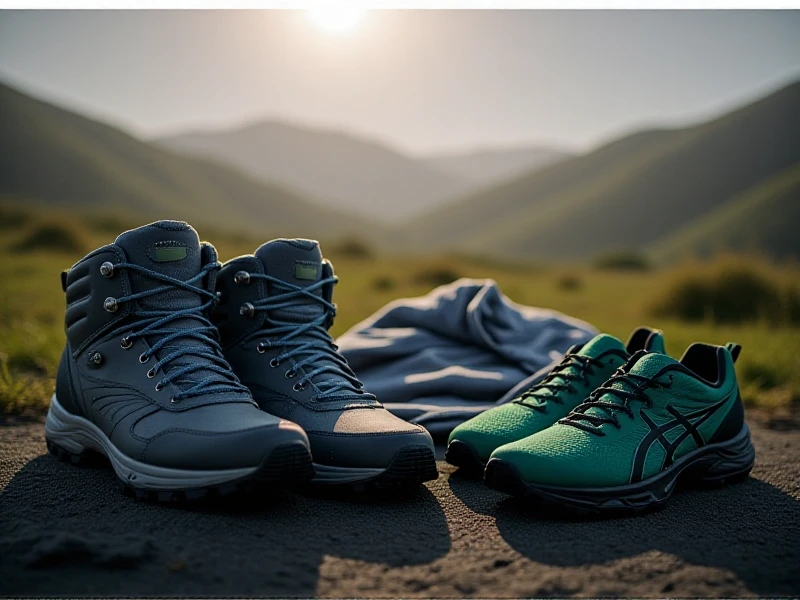
Your terrain and distance are crucial. Road-running shoes prioritize plush cushioning for constant pavement impact, often featuring advanced foam technologies (ethylene-vinyl acetate (EVA), polyurethane (PU), or responsive options like thermoplastic elastomer (TPE)) that are lighter. Trail runners need aggressive lugs for grip on mud, rocks, and roots, enhanced durability, rock plates for protection, and often stiffer support for uneven ground.
Don't Overlook the Fit.
Always try shoes on later in the day when feet are largest. Wear your typical running socks. Ensure a thumb's width of space between your longest toe and the shoe's end. Your heel should be snugly locked down without slipping, and the midfoot secure, not tight. Wiggle room for the toes is non-negotiable. Walk and jog around the store! An uncomfortable step in the changing room means agony miles later.
Consider a Gait Analysis at specialty running stores. Their expert assessment of your running mechanics provides invaluable insight into the right shoe type and fit.
Find Your Perfect Partner.
Investing time in selecting the right running shoes isn't just about performance; it's about preventing injury and making every run rewarding. Remember the golden rule: prioritize support that matches your biomechanics, cushioning for your miles and surfaces, and above all, an unbeatable fit. Let your perfect pair lead you through countless miles of enjoyment. Share your shoe journey or favorite finds with our running community!