The Complete Guide to Choosing the Perfect Running Shoes
Finding the right pair of running shoes is essential for any runner, whether you're just starting out or training for a marathon. The wrong shoes can lead to discomfort, injury, and ultimately derail your fitness goals. This guide breaks down everything you need to know to select comfortable, supportive running shoes that enhance your performance and protect your feet.
Why Proper Running Shoes Matter
Your feet endure significant impact with every stride. High-quality running shoes are engineered to absorb this shock, support your arches, and promote a healthy gait cycle. They counteract overpronation (rolling inward) or supination (rolling outward), both of which can cause injuries like shin splints, plantar fasciitis, or knee pain. Think of them as essential safety equipment for your runs.
Finding Your Ideal Fit
- Know Your Foot Type & Gait: Visit a specialty running store for a gait analysis. Experts often use treadmills and cameras to observe how your feet land and roll. Are you a neutral runner, an overpronator, or do you supinate? This determines if you need neutral shoes, stability shoes, or motion control shoes. Knowing your arch height (low, normal, high) also aids in finding the right support level. Comfortable running shoes start with understanding your biomechanics.
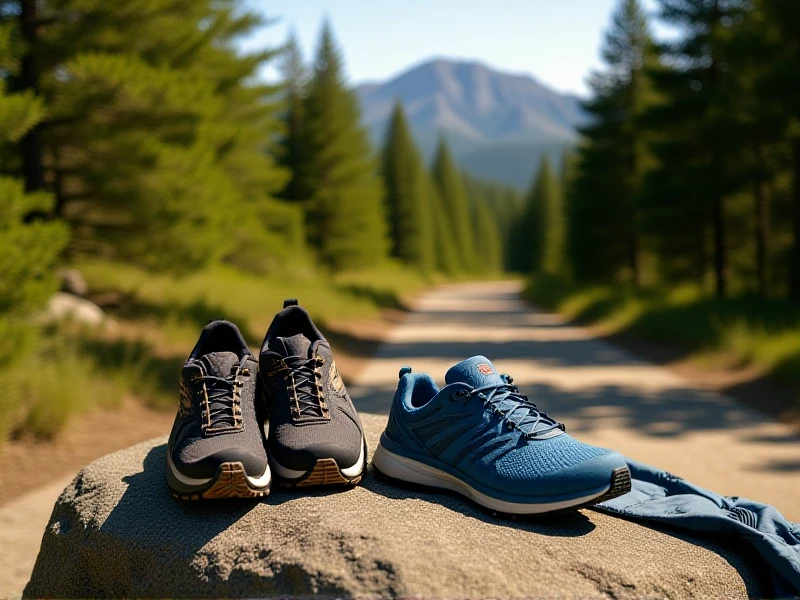
- Consider the Terrain: Most shoes are designed for road running – pavement and sidewalks. If you primarily run on trails (dirt, rocks, roots), invest in trail-specific running shoes featuring deeper lugs (treads) for grip, rugged outsoles, and often enhanced protection around the toe.
- Fit is Paramount: Shoes should feel snug but not tight, especially in the heel and midfoot, with ample space (about a thumb's width) between your longest toe and the shoe's end. Try shoes on later in the day when feet are slightly swollen. Wear your typical running socks. Always try both shoes and walk or jog around the store.
- Prioritize Comfort: The best running shoes are the ones that feel great immediately. Avoid the "break-in period" myth – modern running shoes shouldn't cause significant discomfort. Pay attention to hotspots or rubbing. Optimal foot support translates directly into reduced fatigue.
Top Brands for Runners
Renowned brands like Nike, Adidas, Brooks, ASICS, New Balance, Saucony, and HOKA continuously innovate. Each offers diverse lines targeting different foot types, distances, and running styles. Don't be swayed solely by trends; the most popular running shoes might not be the best for your feet.
Care & Replacement
Rotate your running shoes to extend their life and let cushioning materials rebound. Know the signs it's time for a new pair: decreased cushioning, visible creasing in the midsole foam, worn tread, or unusual aches appearing during or after runs. Most runners need replacements every 300-500 miles to maintain proper shock absorption and foot support.
Investing time in selecting the best running shoes tailored to your needs is an investment in your running enjoyment and long-term health. Lace up the right pair and conquer your next run!